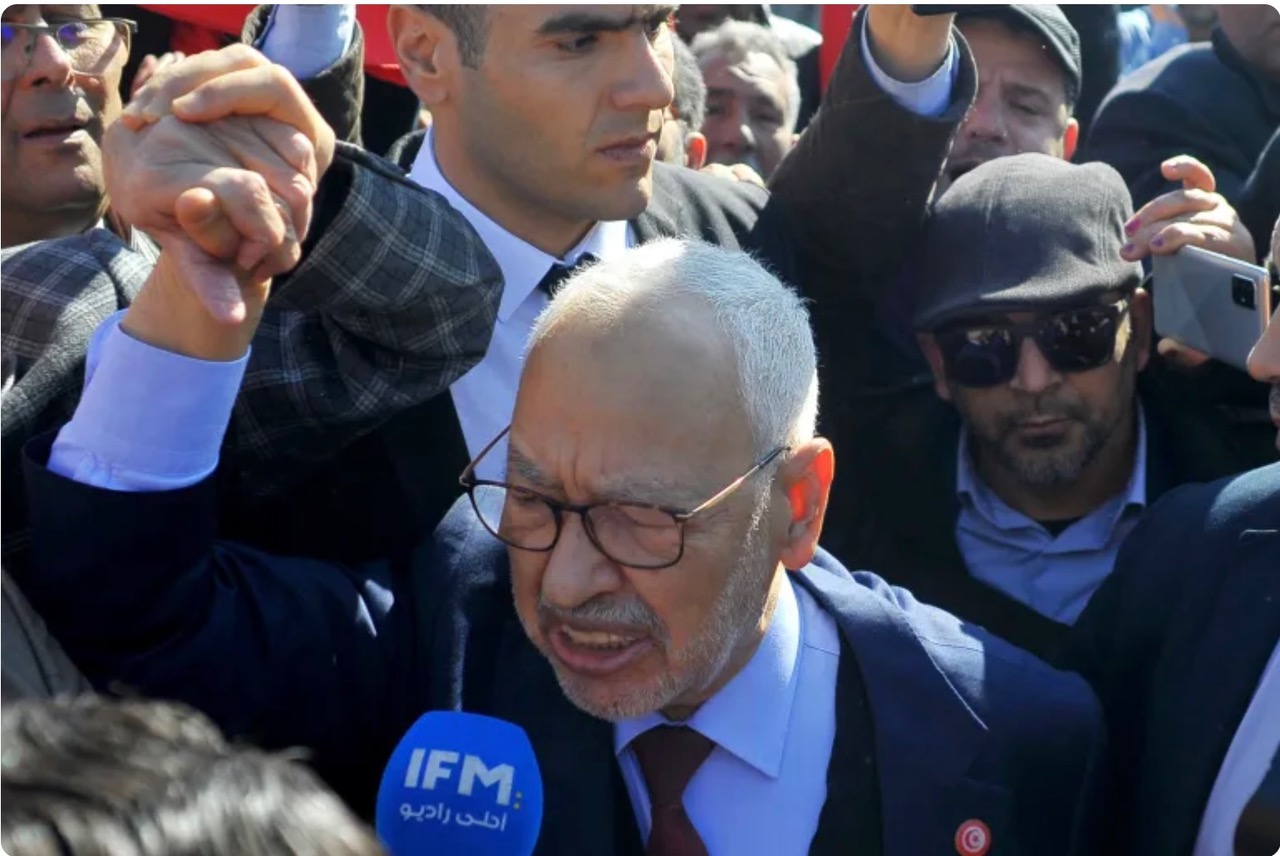
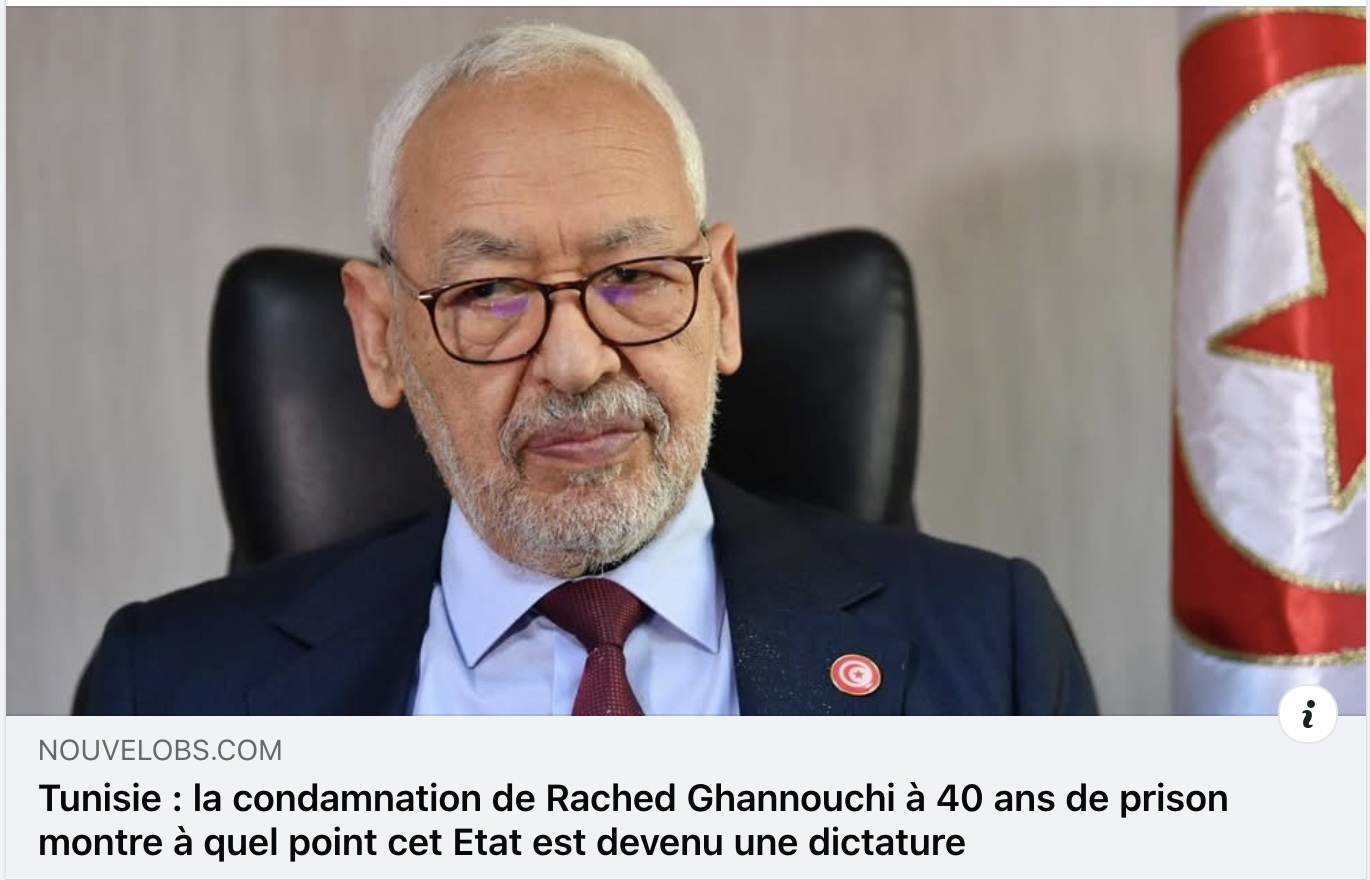
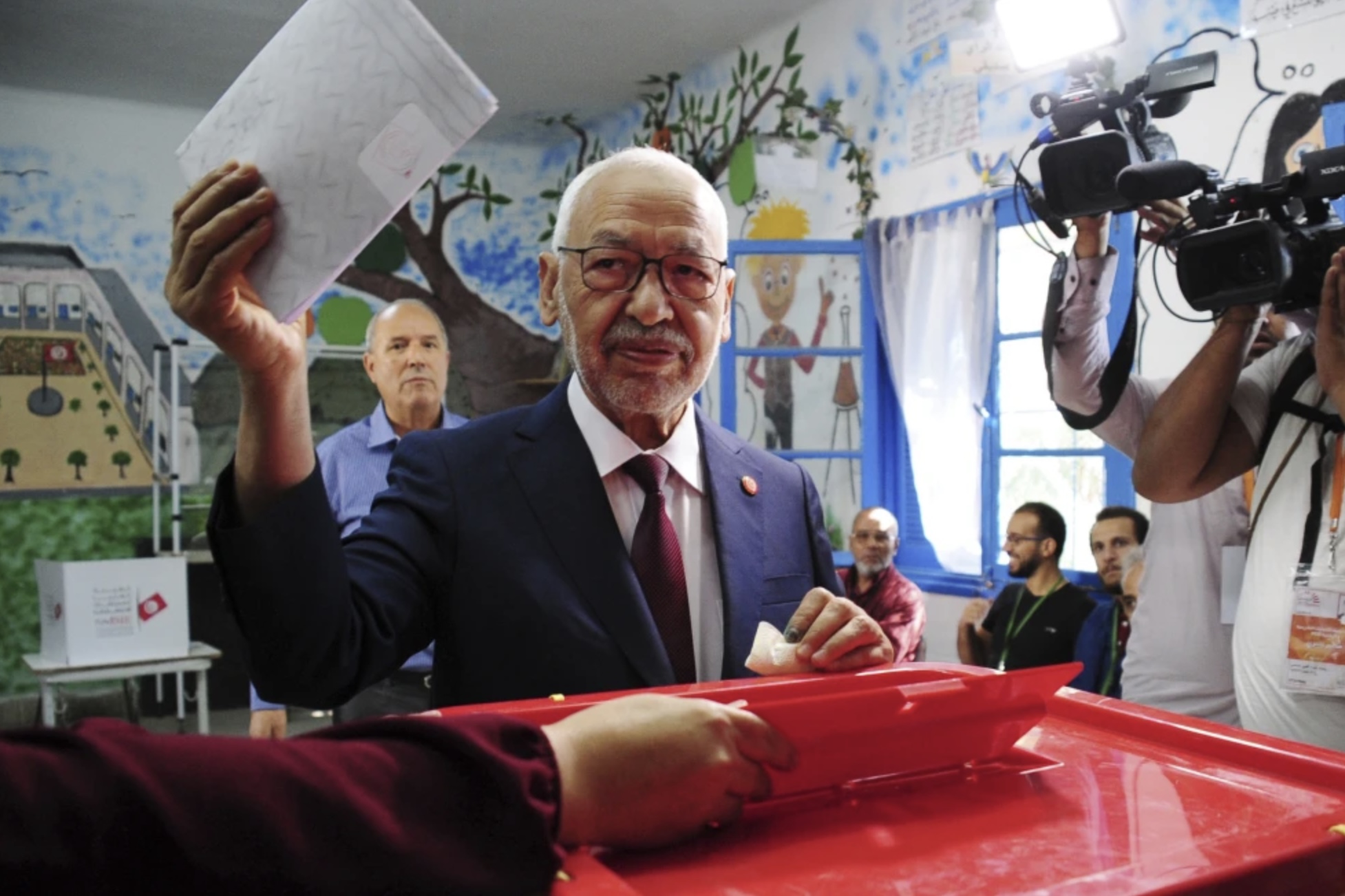
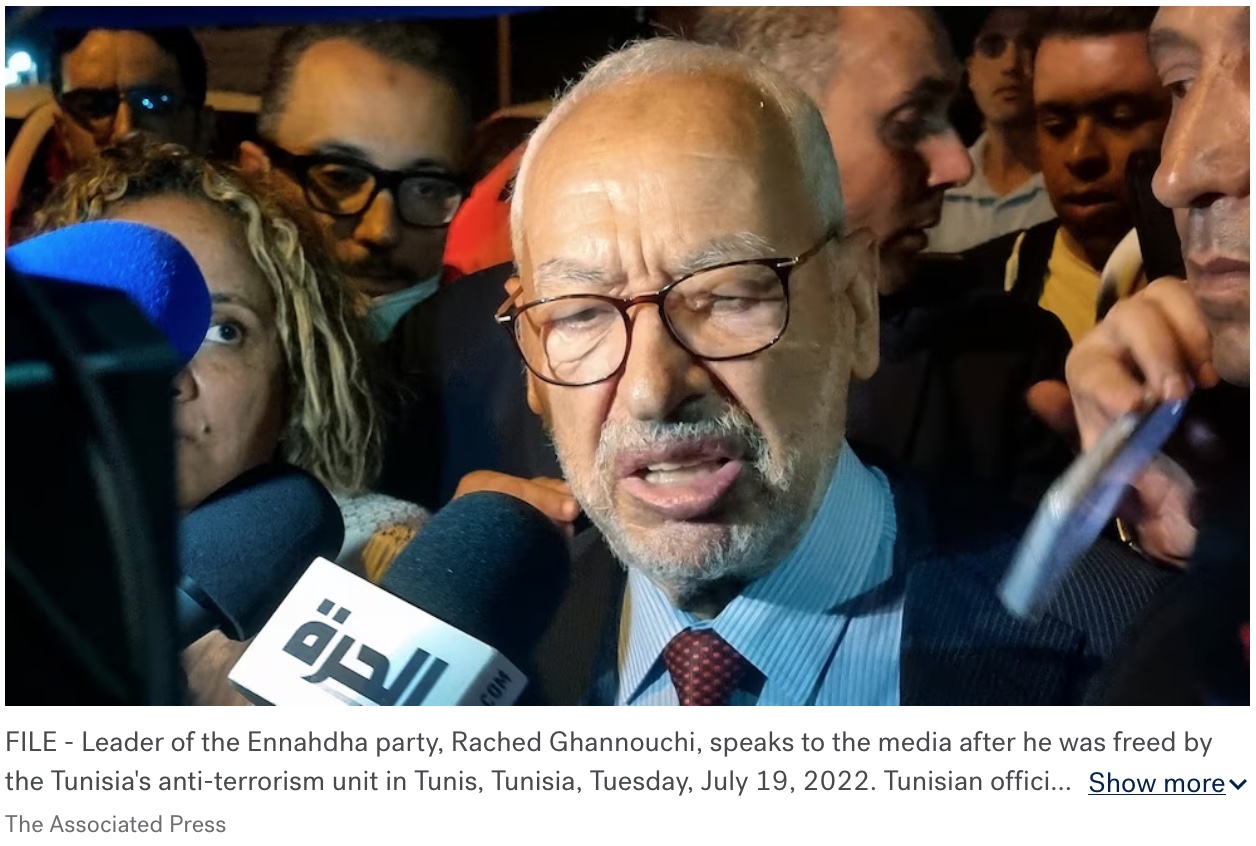
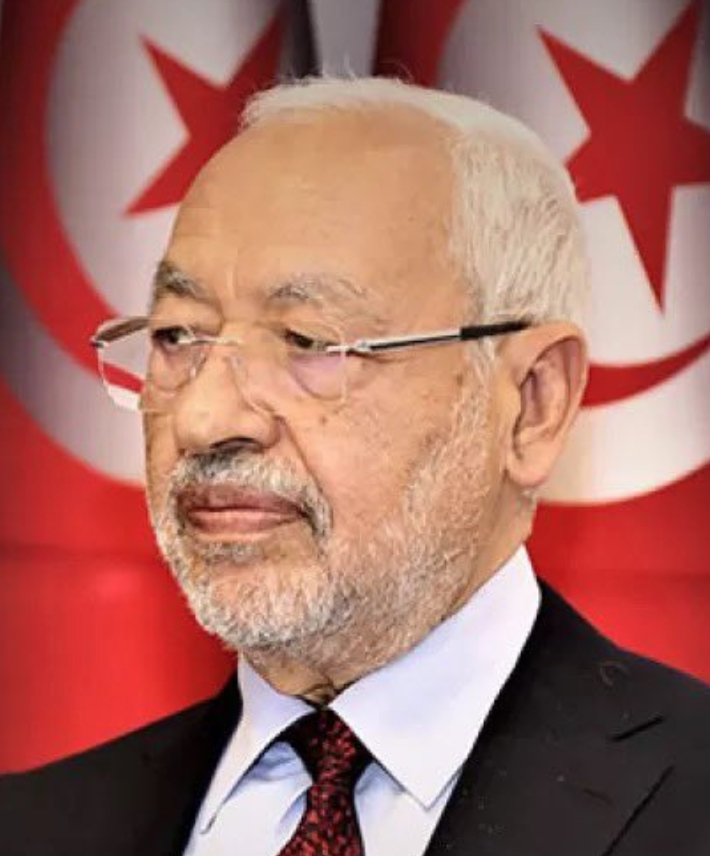
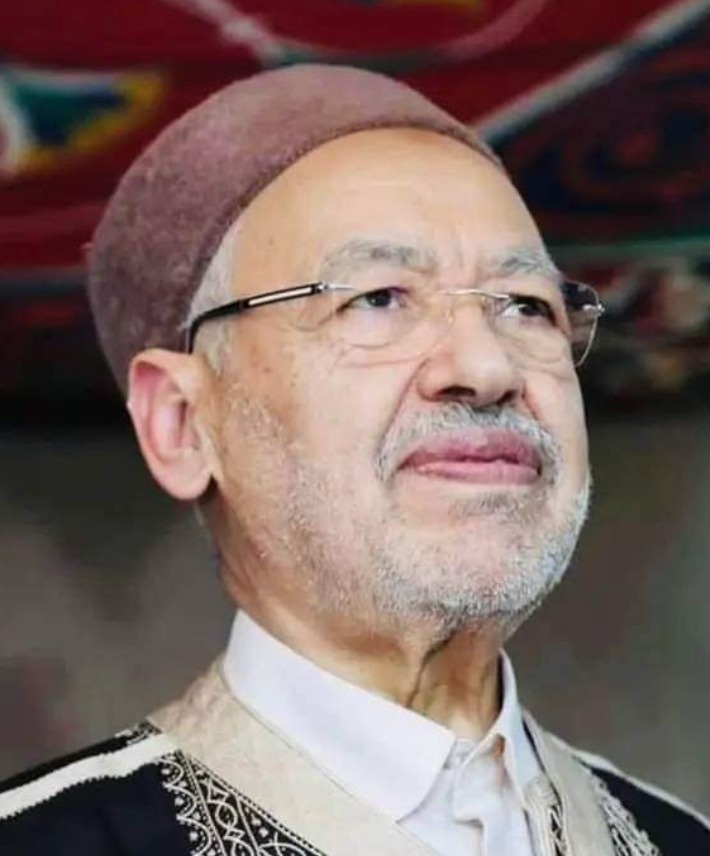
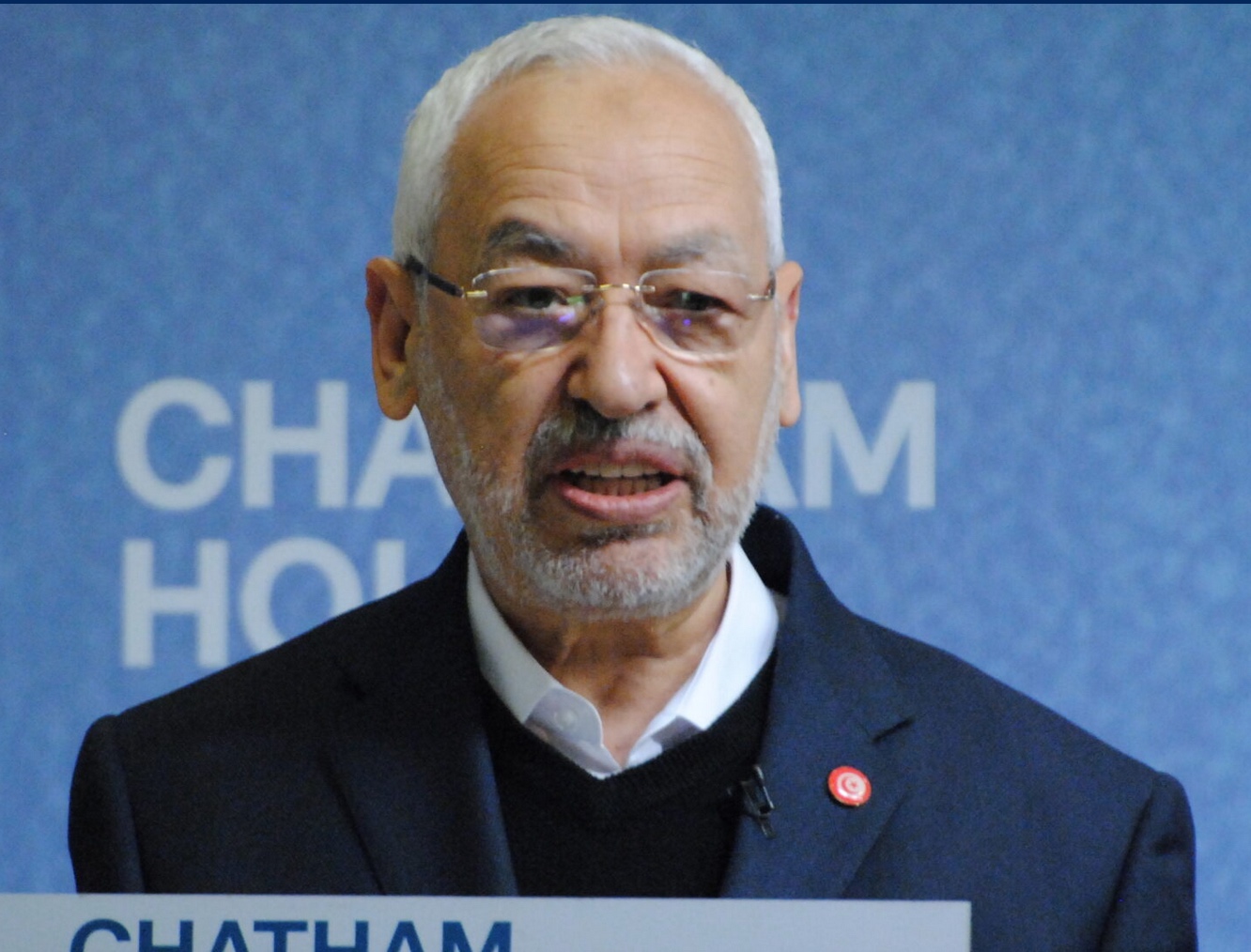
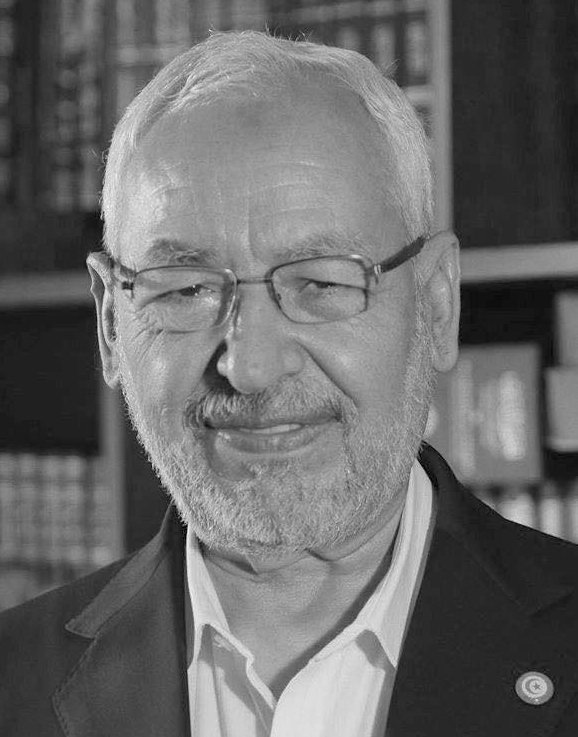
Who is Rached Ghannouchi?
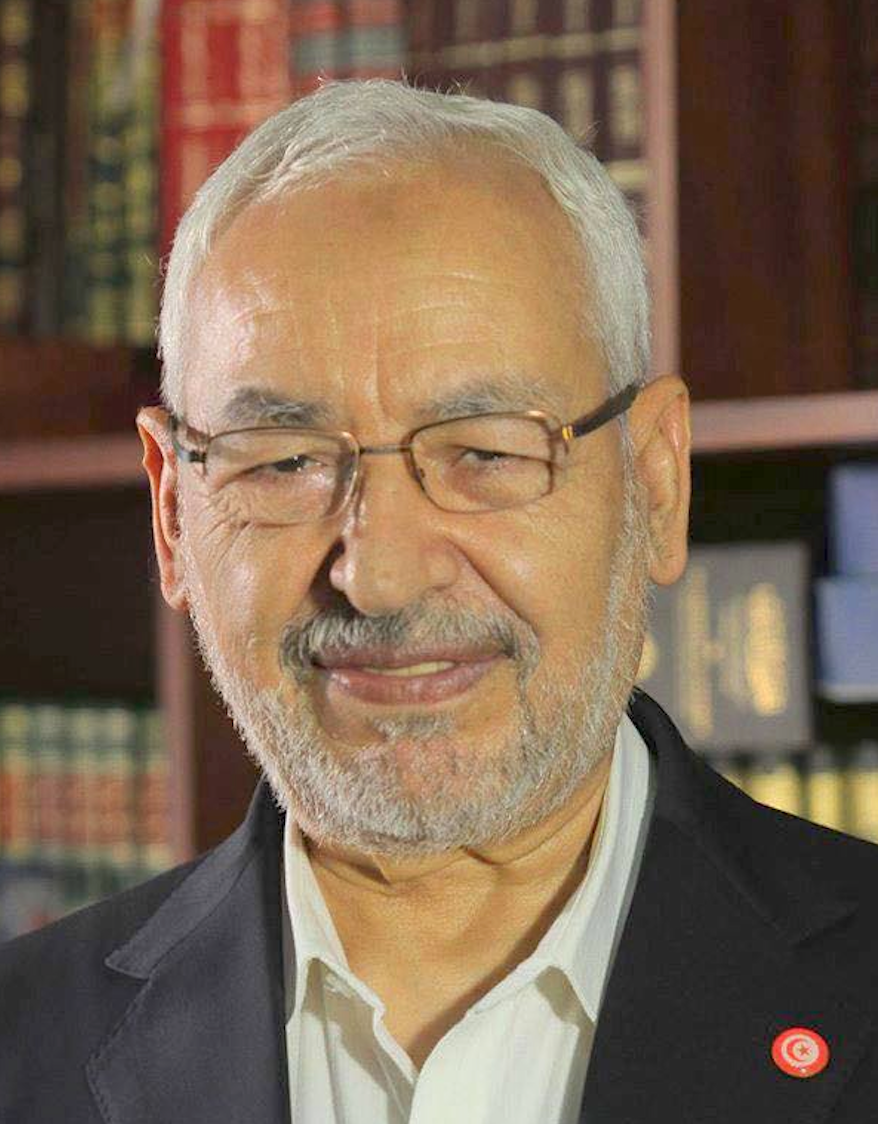
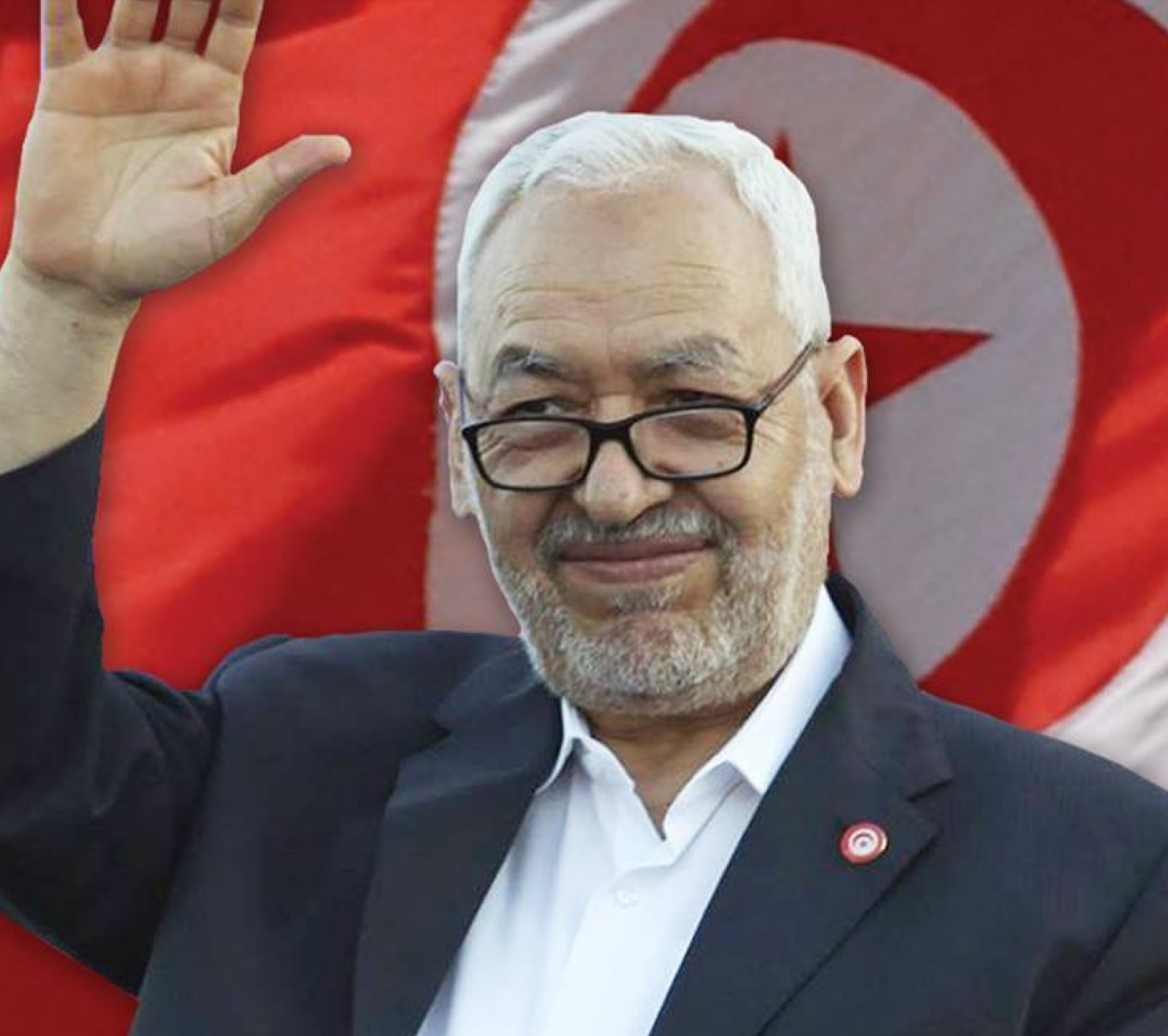
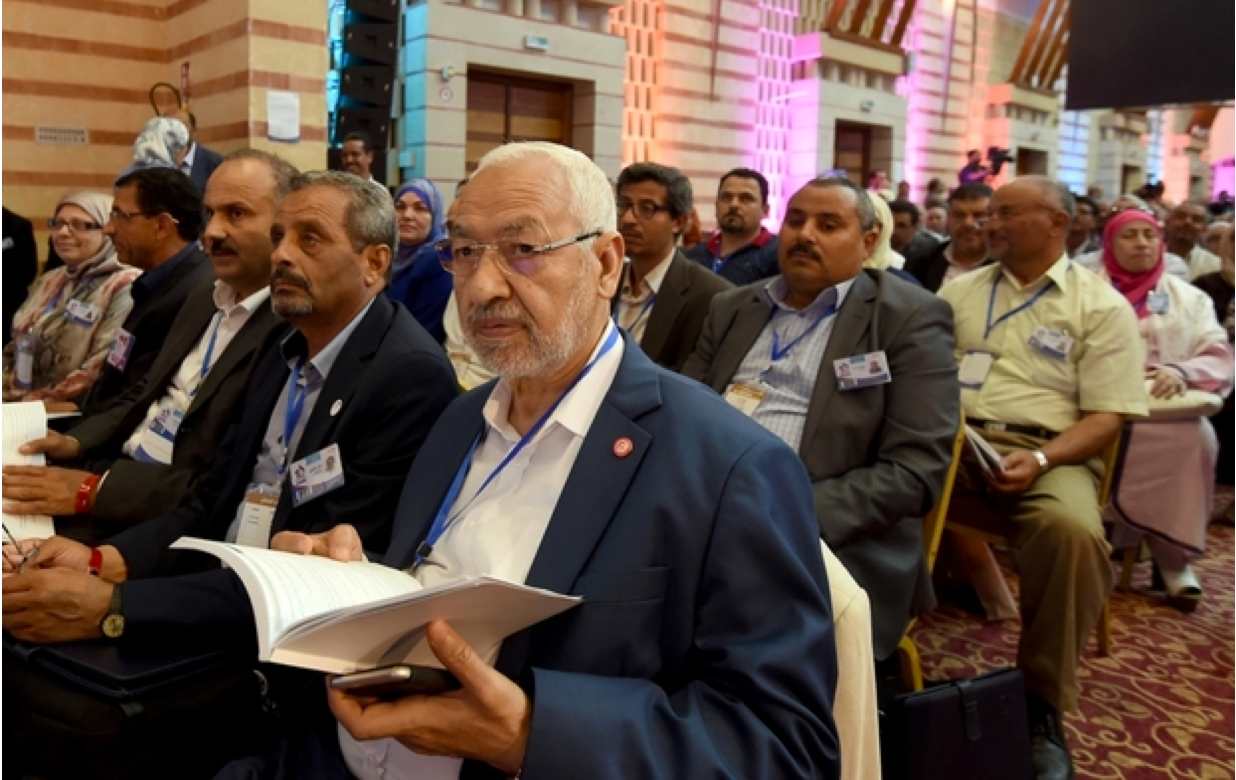
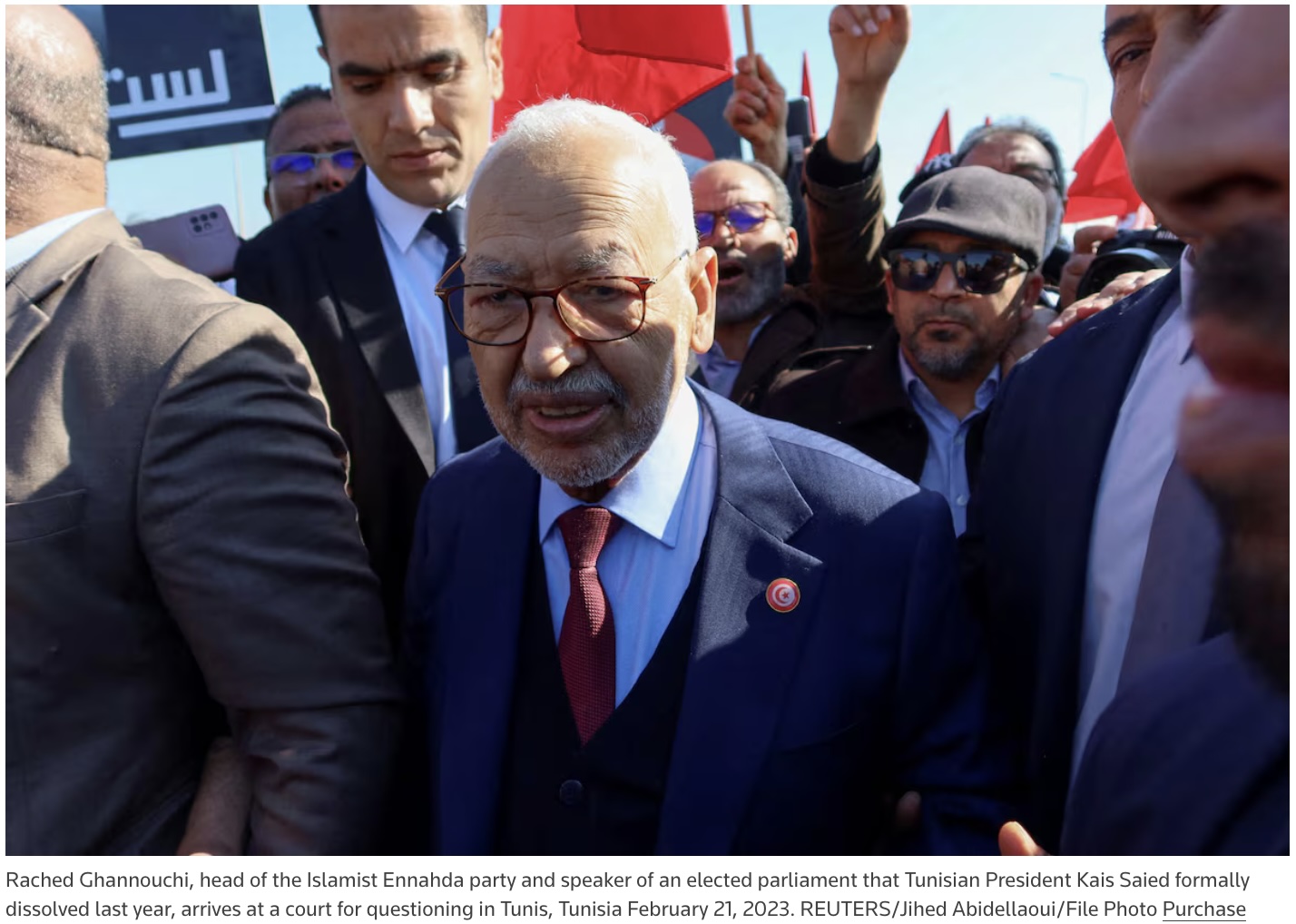
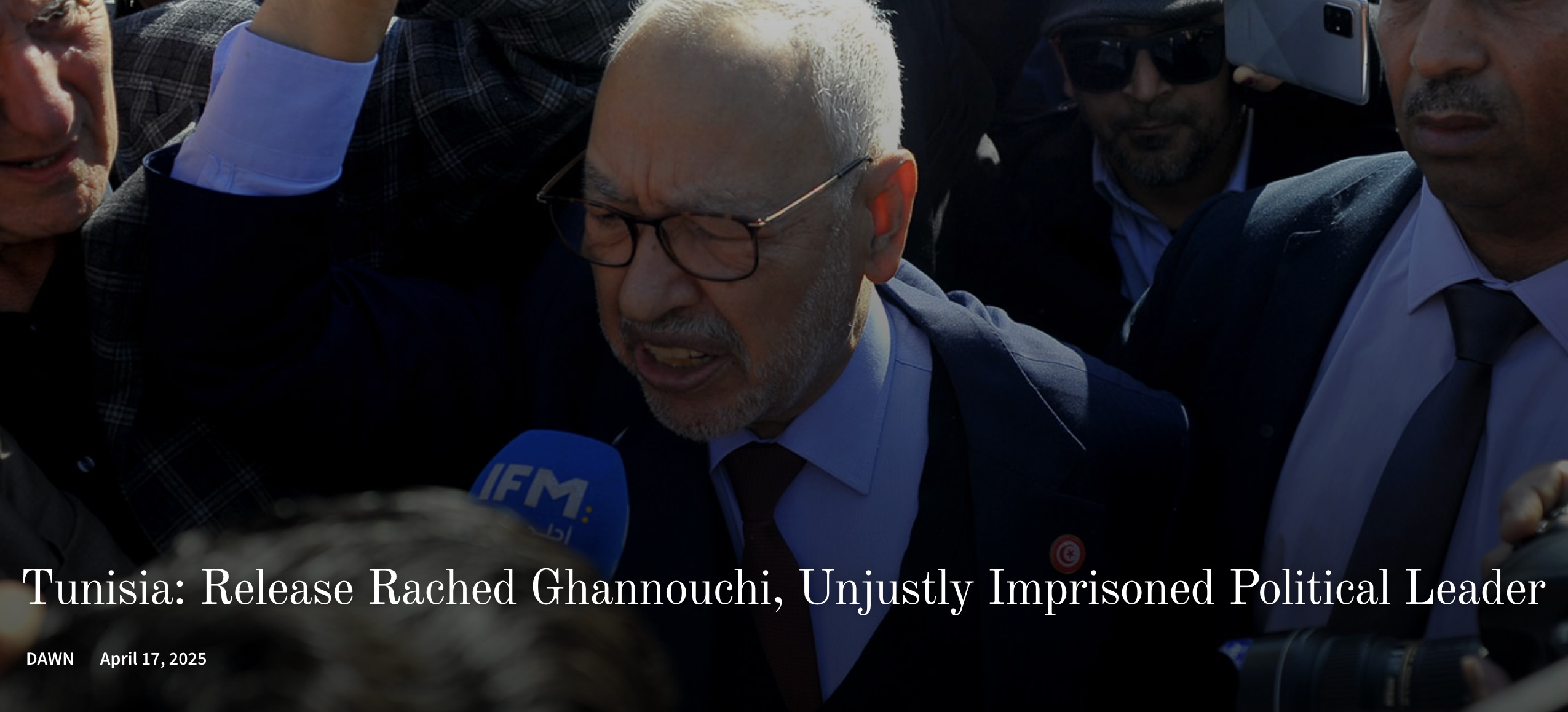
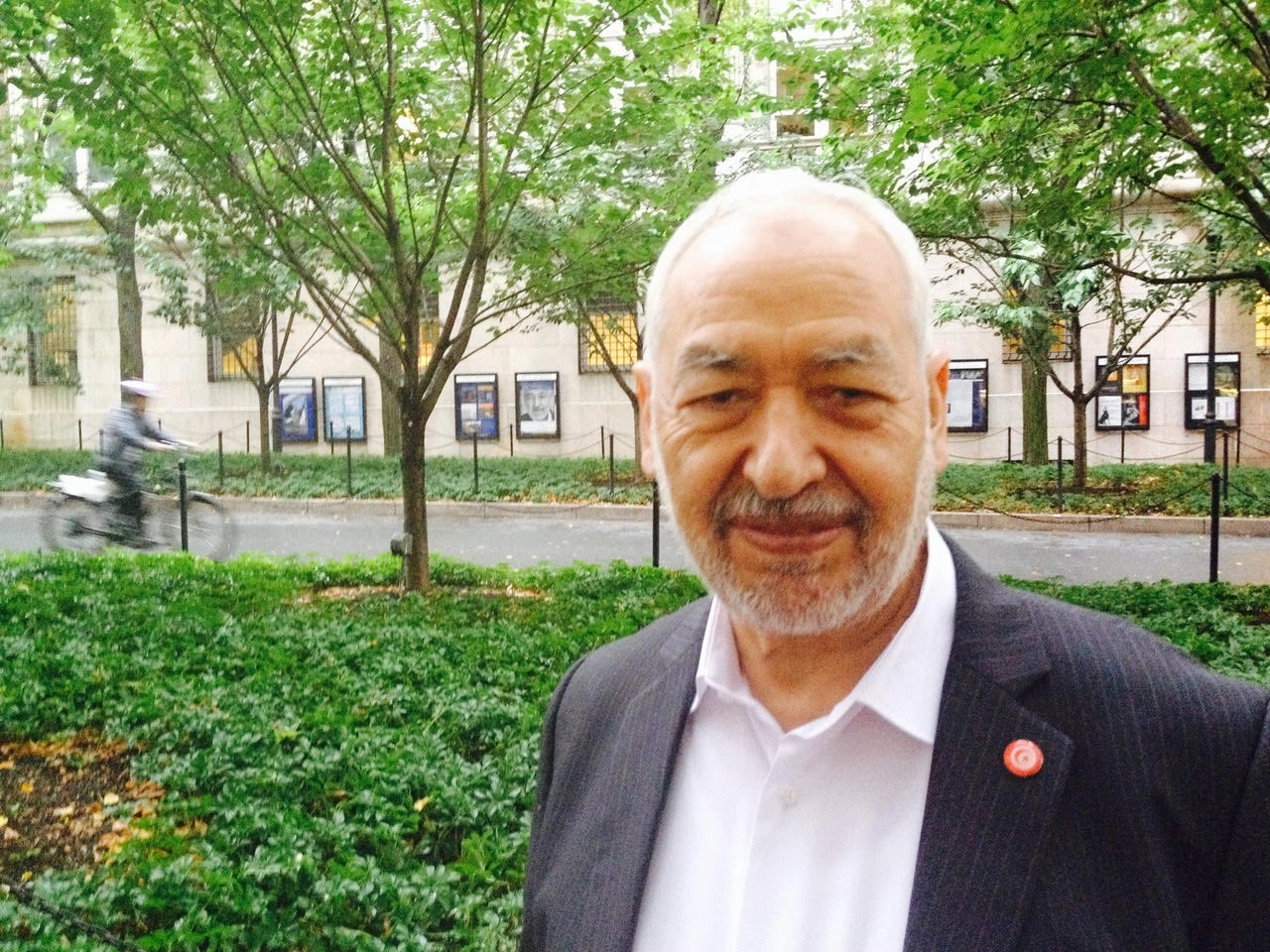
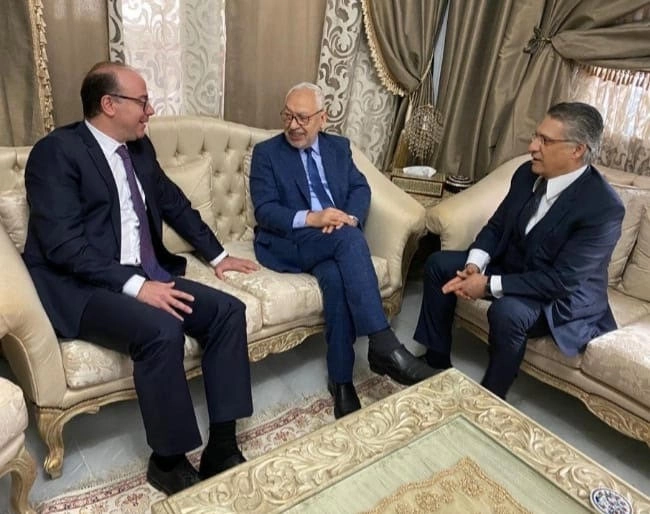
Rached Ghannouchi is the co-founder and president of the Muslim Democratic Ennahdha Party in Tunisia, and the Speaker of the democratically-elected parliament of Tunisia. He was elected speaker of the parliament in November 2019.
Ghannouchi is one of the world’s leading Islamic thinkers and one of the most influential Tunisian politicians in the post-revolution transition period.
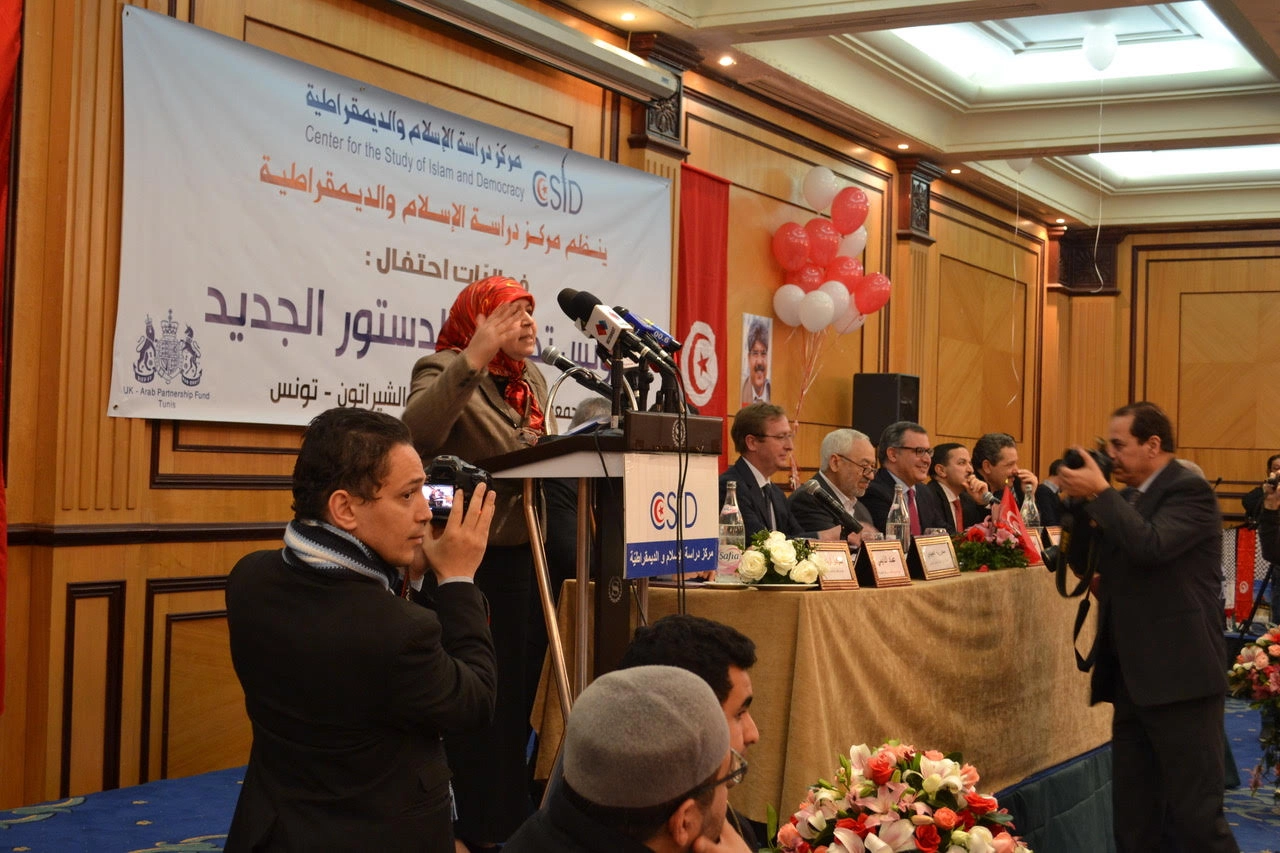
His party Ennahdha won 37.04% of the vote (more than the next four biggest political parties combined) in the 2011 Tunisian Constituent Assembly election.
Ennahdha formed a government which led Tunisia through the challenging and tumultuous aftermath of the Jasmine revolution. The government during this period was characterized by greater transparency, lack of corruption, and consensus-building.
In March 2012, Ennahdha declared it would not support making sharia a main source of legislation in the new constitution, maintaining the secular/civil nature of the state.
In January 2014, after the new Tunisian Constitution of 2014 was adopted by 93% of the members of the National Constituent Assembly, Ennahdha peacefully handed power to a technocratic government led by Mehdi Jomaa.
Ennahdha placed second in the October 2014 parliamentary election with 79% of the popular vote and formed a coalition government with the larger secular party Nidaa Tounes, despite rank-and-file opposition.
Ghannouchi authored more than 20 books in Arabic, which have been translated into more than 15 languages. His most recent book “Public Freedoms in the Islamic State” was published in November 2022 by Yale University Press. Appearing in English translation for the first time, this book is a major statement by one of the most important political theorists in the modern Middle East.
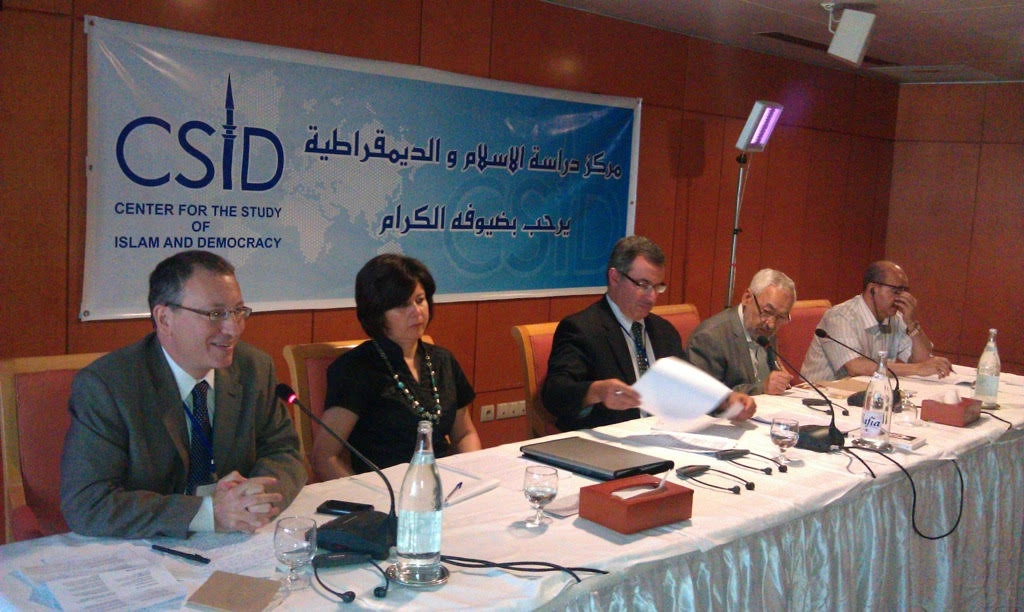
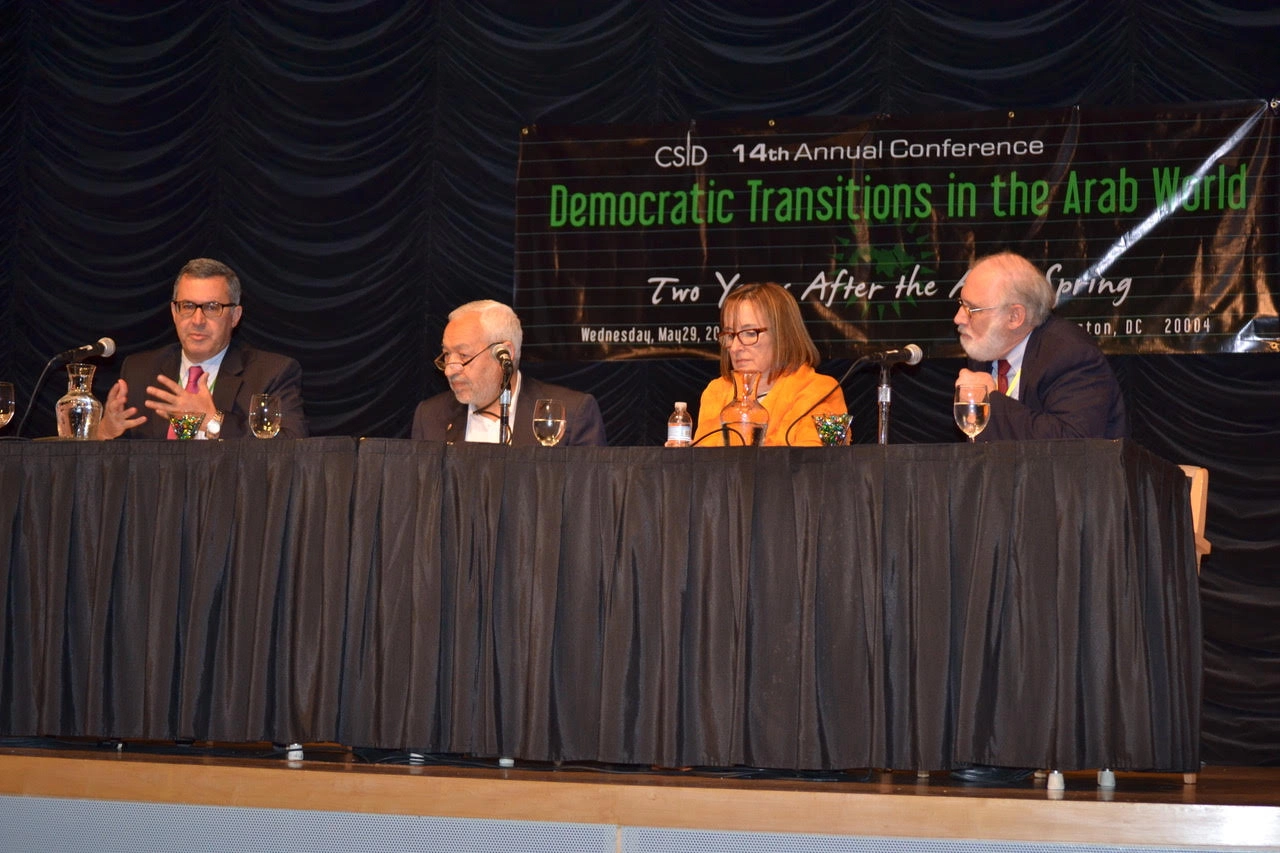
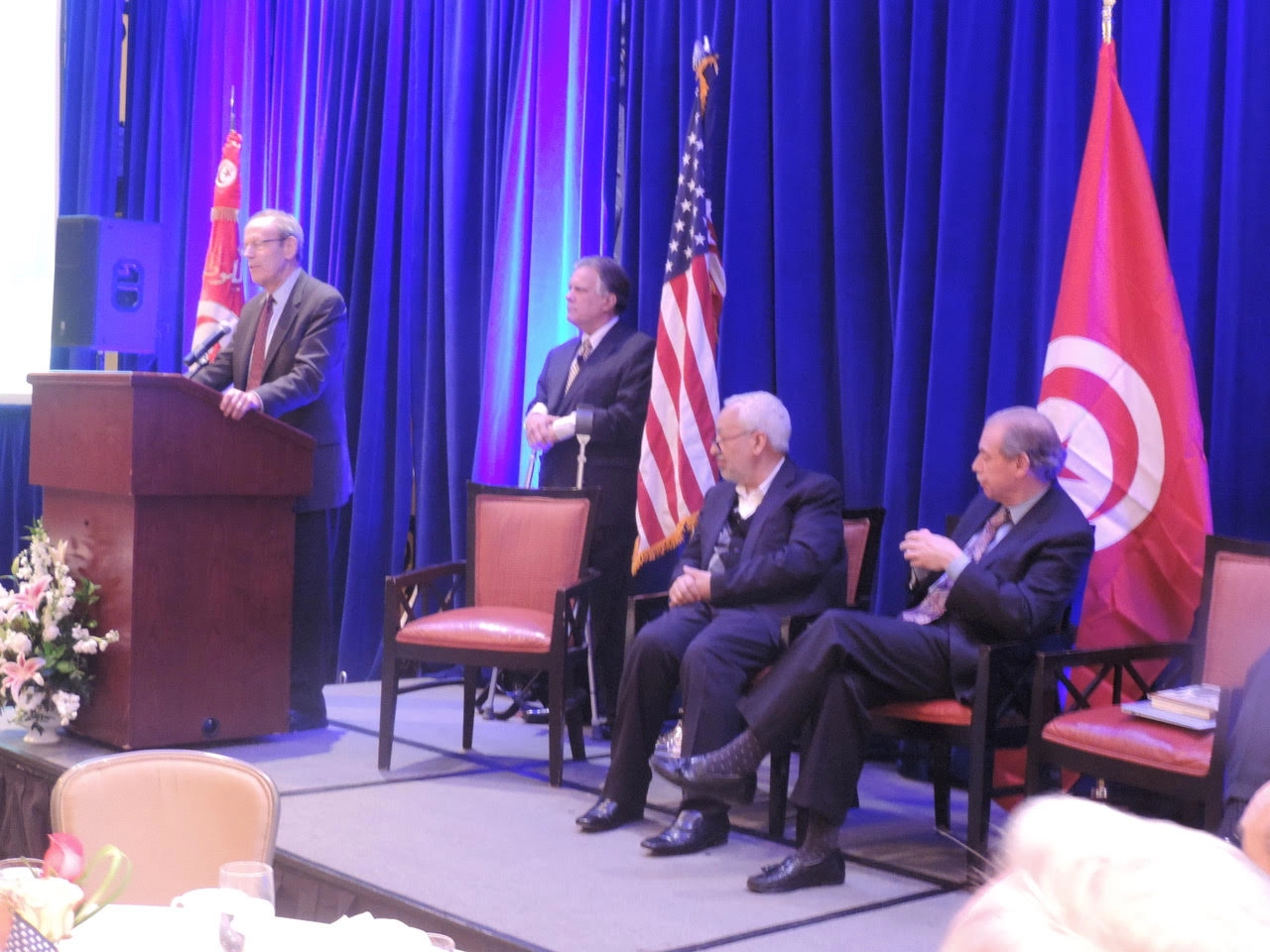
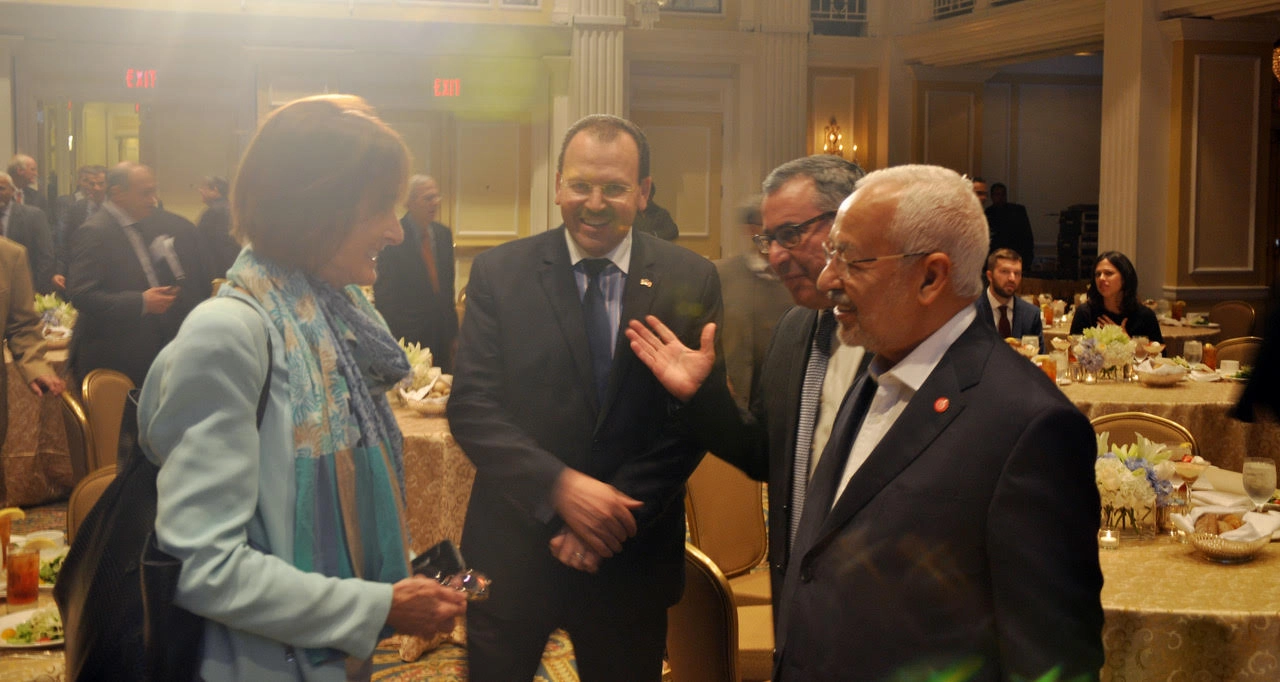
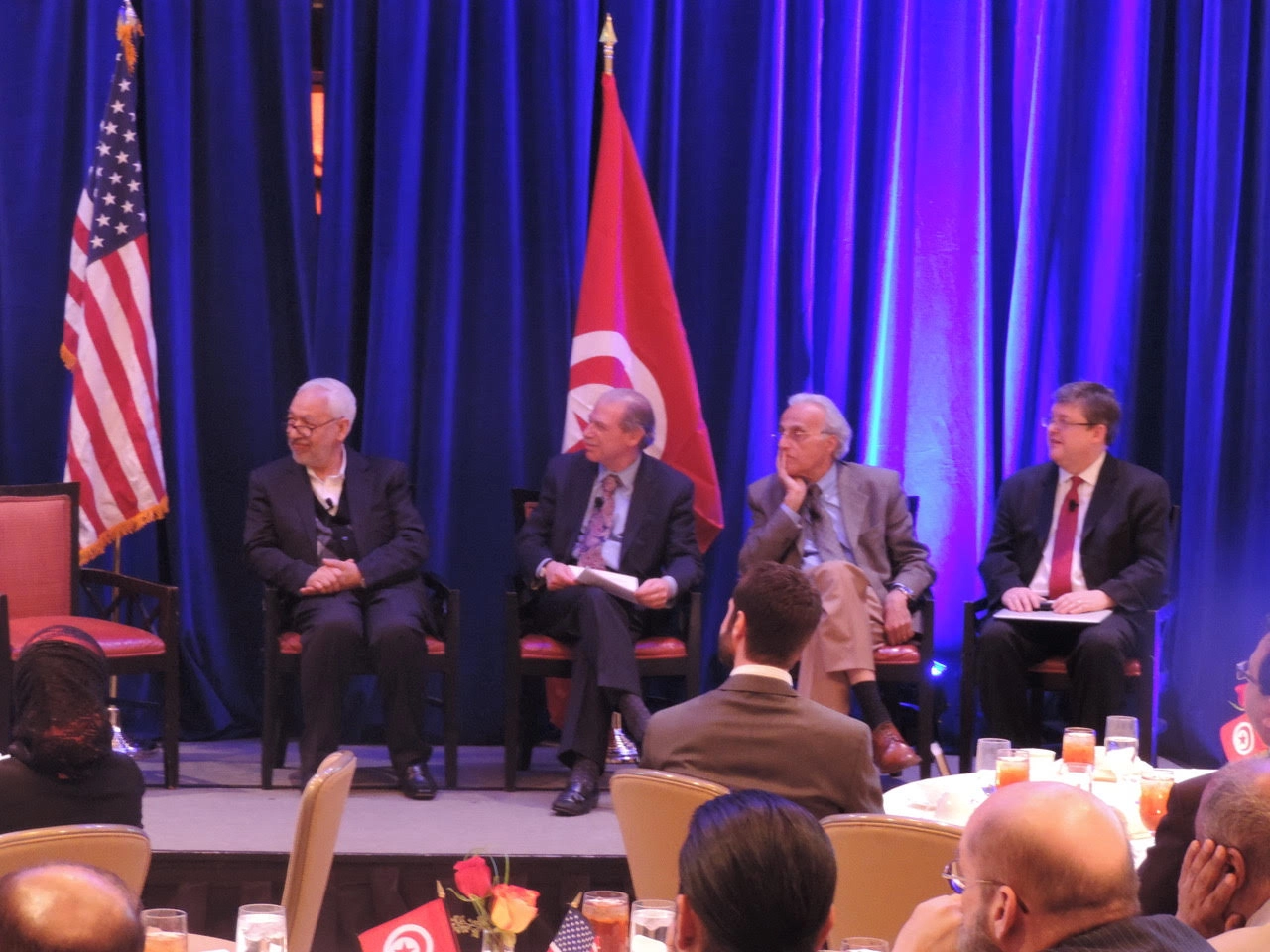
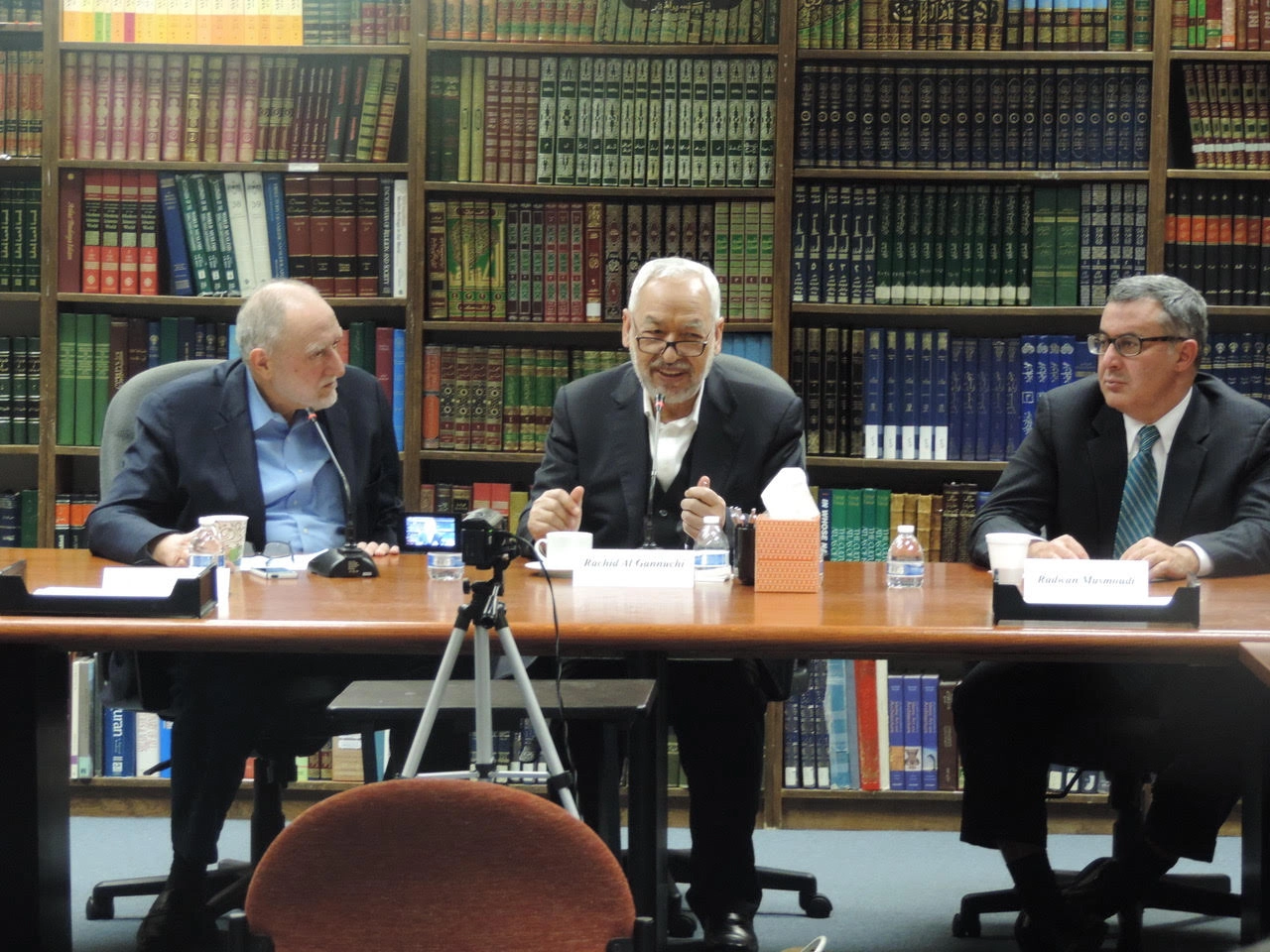
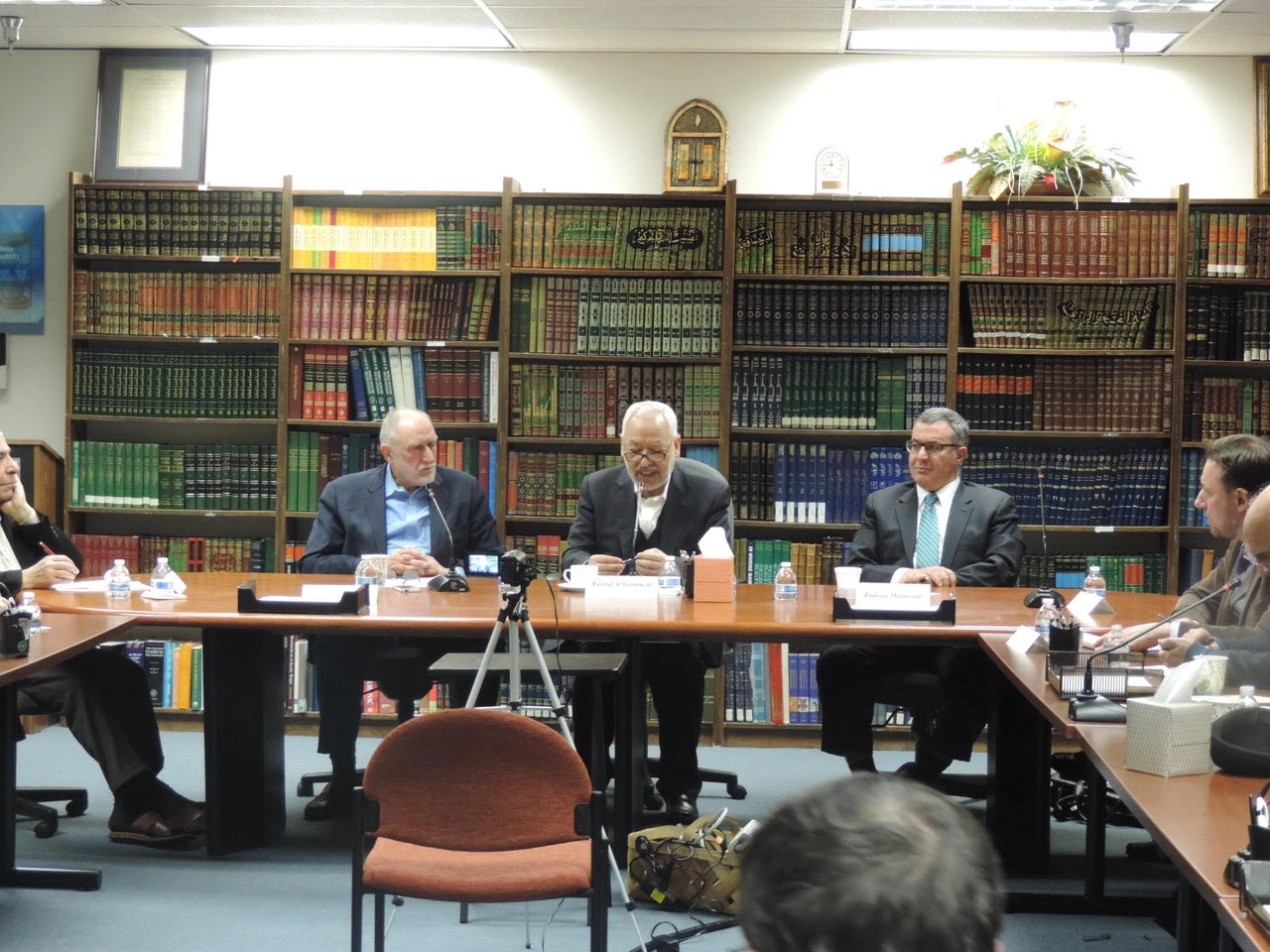
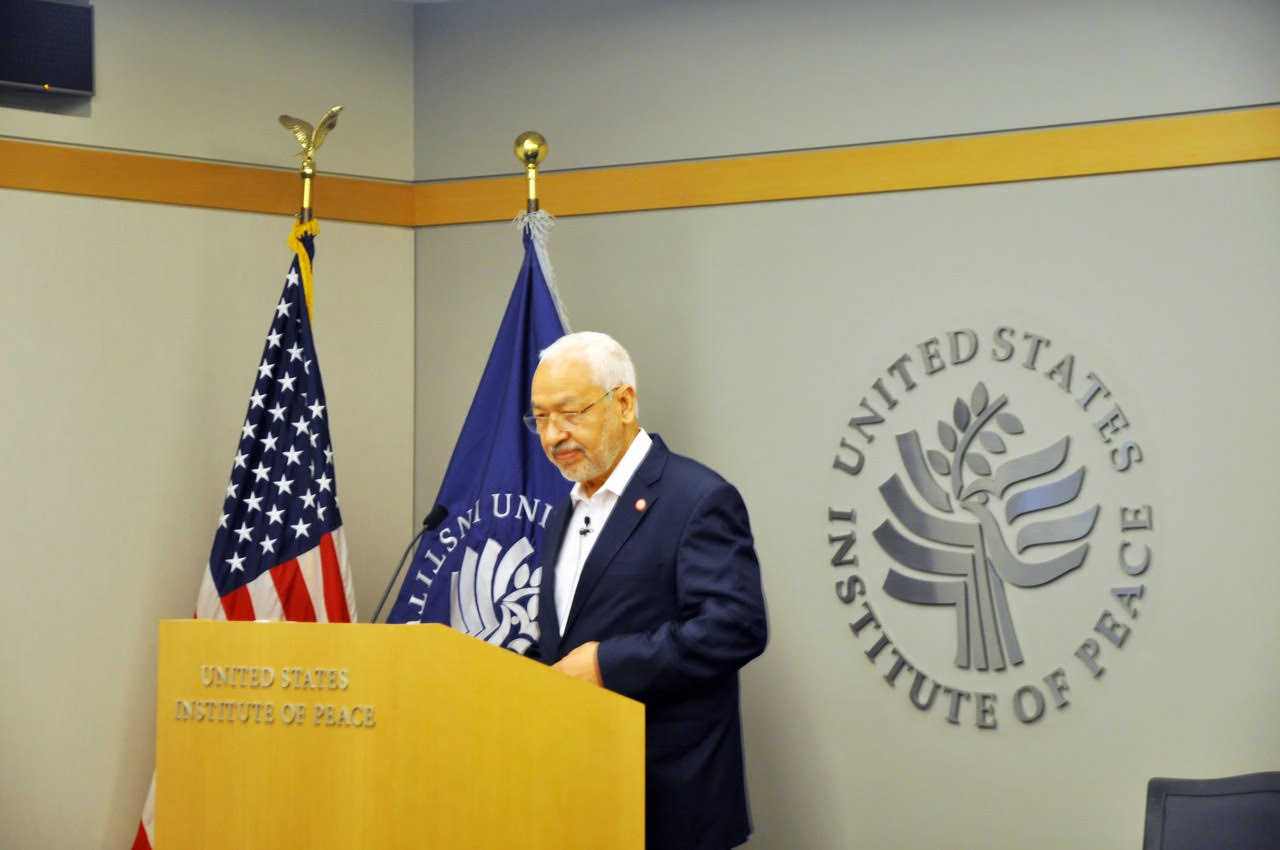
Between 2011 and 2016, Mr. Ghannouchi visited Washington DC more than 10 times, and spoke at several key Institutions including Brookings Institution, Carnegie Endowment for International Peace, US Institute of Peace, the National Endowment for Democracy, Council on Foreign Relations, Woodrow Wilson International Center for Scholars, International Institute for Strategic Studies, Center for Strategic and International Studies, Center for American Progress, and many others.
He met and visited regularly with key U.S. politicians, policymakers, and experts, including William Burns, Wendy Sherman, John McCain, Lindsay Graham, Tim Kaine, William Taylor, Tom Malinowski, Fareed Zakaria, George Soros, Phil Gordon, Robert Malley, John Esposito, Carl Gershman, Robin Wright, Jackson Diehl, and many others…
Awards:
Ghannouchi was named one of Time’s 100 Most Influential People in the World in 2012, and Foreign Policy’s Top 100 Global Thinkers and was awarded the Chatham House Prize in 2012 (alongside Tunisian President Moncef Marzouki) by Prince Andrew, Duke of York, for “the successful compromises each achieved during Tunisia’s democratic transition”.
In 2015, he received the International Crisis Group (ICG) Founders Award for Pioneers in Peacebuilding, along with Tunisian President Béji Caïd Essebsi.
In 2016, he received the Jamnalal Bajaj Award for “promoting Gandhian values outside India”.
The Ibn Rushd Prize for Freedom of Thought for the year 2014 in Berlin, Germany.
Lifetime membership of Aligarh Muslim University Students’ Union in 2015
The Jamnalal Bajaj Award for the year 2016 in Mumbai
Honorary Degree from International Islamic University Malaysia in 2017
One of the 100 Most Influential Arabs in the World in Global Influence list 2018.
References:
Marc Lynch – Rached Ghannouchi: the FP interview, Foreign Policy magazine, December 5, 2011
Feldman, Noah (2011-10-30). “Islamists’ Victory in Tunisia a Win for Democracy: Noah Feldman”. Bloomberg.
“TIME 100: The List“. Time. 18 April 2012.
Foreign Policy. “The FP Top 100 Global Thinkers 2011”.
Chatham House. “Chatham House Prize 2012”.
Ghannouchi, Rached. “Transcript of speech at Chatham House Prize 2012 awards ceremony, 26 November 2012”
“Jamnalal Bajaj Awards”. Jamnalal Bajaj Foundation.
Worth, Robert F. (2016). A Rage for Order: The Middle East in Turmoil, from Tahrir Square to ISIS.
Kechichian, Joseph A. (September 16, 2011). “A genuine Islamist democrat”. Gulf News.
Linda G. Jones, “Portrait of Rashid Al-Ghannoushi” Middle East Report, No. 153 (July–August 1988).
Kirkpatrick, David D.; Fahim, Kareem (18 January 2011). “More Officials Quit in Tunisia Amid Protests”. The New York Times.
Gerges, Fawaz (June 2012). “The Many Voices of Political Islam” (PDF). The Majalla.
“The FP Top 100 Global Thinkers“. 2011-11-28.
“Chatham House Prize 2012 – Rached Ghannouchi and Moncef Marzouki”. 2015-04-08.
“‘Rached Ghannouchi lauréat du prix Ibn Rochd de la pensée libre pour l’année 2014′”. 2015-04-08.
“Tunisia proof that democracy can sustain in Arab world”. Business Standard India.
Tunisia: Caïd Essebsi and Ghannouchi Receive International Crisis Group’s Founder’s Award, 2015-10-27
“Rached Ghannouchi, prix Gandhi pour la Paix“. 2015-04-08.
Rachid Ghannouchi’s Thoughts & Career, by Aaron Boehm, December 9, 2022, The Wilson Center.
Yale University Press: Public Freedoms in the Islamic State
Unpacking Ghannouchi’s unique approach to politics (2023)
From Political Islam to Muslim Democracy (2016)
Thoughts on democratic Islam (2016)